

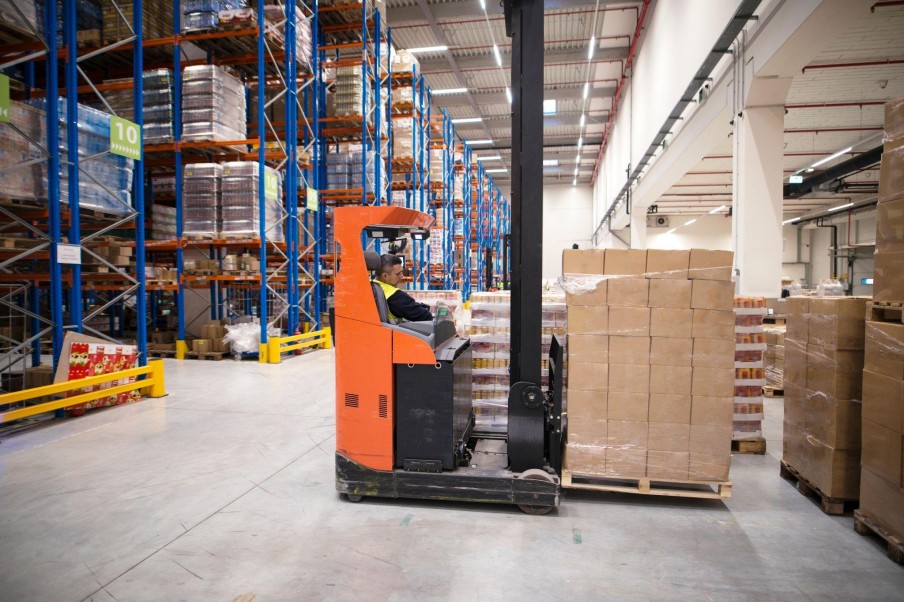
A product’s journey from a manufacturing unit to a customer’s doorstep involves several stages, locations, and transportation arrangements. When these elements are not properly coordinated, businesses may face unnecessary delays, higher operating expenses, and inventory management challenges. Developing integrated logistics infrastructure can help address these gaps by bringing transportation, storage, distribution, and supporting facilities into a more connected system. As India’s commercial and industrial activities expand, businesses increasingly need logistics networks that can support different markets, changing demand, and large-scale distribution requirements.
Why Does Logistics Connectivity Matter for Indian Businesses?
India’s diverse economic landscape creates different logistical requirements across regions. Manufacturing clusters, agricultural markets, industrial zones, and major consumption centres are often located far apart. Connecting these locations requires infrastructure that supports the movement of goods across different distances and transportation networks.
A well-planned logistics network in India can help businesses coordinate freight movement, position inventory closer to demand, and improve distribution planning. Rather than depending on isolated storage facilities, companies can benefit from a combination of transportation hubs, regional warehouses, and strategically positioned distribution locations.
Better connectivity also creates opportunities for manufacturers, logistics operators, retailers, and distributors to expand into new markets without rebuilding their entire supply chain for every location.
Understanding the Different Elements of a Connected Logistics Network
A logistics ecosystem involves several infrastructure components that serve different operational requirements. Their effectiveness depends on how well they complement one another.
Transportation Networks and Freight Movement
Transportation is one of the most important elements of logistics planning. Roads, railways, ports, and other freight networks help connect production facilities with storage locations and distribution markets.
Improved freight connectivity allows businesses to consider different transportation arrangements according to cargo requirements, delivery timelines, and operational costs. For example, rail-linked facilities can be relevant for businesses handling substantial freight volumes, while road connectivity remains important for regional and local distribution.
The availability of suitable transportation infrastructure can influence how companies plan their supply routes and allocate inventory across different locations.
Warehousing Facilities Across Different Regions
Storage requirements are not identical for every business. Large manufacturers may require substantial storage capacity near industrial clusters, while distributors may need smaller facilities closer to regional markets.
Modern warehousing infrastructure can support these different requirements through planned storage facilities, appropriate building specifications, loading arrangements, and supporting operational services.
Regional facilities also help businesses maintain inventory closer to the markets they serve. This creates more flexibility when managing stock across multiple cities and distribution channels.
Multimodal Transportation for Better Coordination
Moving goods through a combination of transportation modes can provide additional flexibility for certain supply chains. Multimodal transportation involves connecting different modes, such as road and rail, within an overall freight movement arrangement.
Multimodal logistics developments can bring transportation-related infrastructure, cargo handling, and warehousing facilities together within a planned location. This can help businesses evaluate different freight arrangements based on their operational requirements.
However, the effectiveness of such infrastructure depends on actual connectivity, available services, cargo compatibility, and the cost of transfers between transportation modes.
How Regional Infrastructure Supports Market Expansion
Expanding into a new market requires more than establishing a sales presence. Businesses must also consider how products will be stored, replenished, and distributed across the region.
Regional distribution centres can help companies organise inventory closer to emerging markets and important consumption locations. Instead of transporting every order from a single central warehouse, businesses can plan stock allocation across multiple regional facilities.
This approach may be particularly useful for FMCG companies, pharmaceutical distributors, manufacturing businesses, and third-party logistics providers.
The location of a distribution centre should be evaluated according to the surrounding industrial ecosystem, road access, customer demand, and availability of suitable storage infrastructure. Choosing locations based on actual supply chain requirements can help avoid unnecessary infrastructure expenses.
The Role of Technology in Modern Logistics Planning
Physical infrastructure needs to work alongside effective information systems. Businesses handling inventory across multiple locations require accurate information about stock availability, shipment movement, and distribution schedules.
Logistics technology can support these activities through warehouse management systems, transportation management platforms, inventory tracking, and digital reporting tools.
These systems can help businesses maintain better visibility across their operations and identify areas where delays or inefficiencies occur. When information is available across different facilities, teams can coordinate activities more effectively.
Technology also supports more informed decisions around capacity planning, inventory allocation, and transportation arrangements. Its value depends on the quality of information collected and how consistently different parts of the network use it.
How Fourmativ Contributes to India’s Logistics Infrastructure
The development of connected logistics facilities requires an understanding of different business requirements across national, regional, and urban markets. Fourmativ approaches this through a portfolio of infrastructure platforms designed around different stages of the supply chain.
Its FOURWRD platform focuses on multimodal logistics parks, while FOURCi addresses regional warehousing requirements across emerging markets. FOURUN is centred on urban warehousing and last-mile distribution, and FOURMULA focuses on wayside hospitality and commercial infrastructure.
These platforms represent different infrastructure needs rather than a single warehouse format. For businesses exploring logistics development, this distinction is important because national freight movement, regional storage, and city-level fulfilment require different facility configurations.
What Should Businesses Evaluate Before Planning a Logistics Network?
Building a logistics network requires a practical understanding of current operations and future requirements. Businesses should examine how products move between manufacturing facilities, storage locations, distribution partners, and customers.
Some important considerations include:
- Location suitability:Identify industrial clusters, customer markets, and important transportation routes.
- Infrastructure availability:Assess the quality of roads, rail connections, warehouses, and supporting facilities.
- Storage requirements:Match facility capacity with product characteristics and inventory volumes.
- Operational flexibility:Consider whether the network can accommodate additional locations and changing demand.
- Technology integration:Evaluate systems that support inventory visibility and coordination.
- Long-term requirements:Consider future business expansion, operational costs, and infrastructure scalability.
A clear assessment of these factors can help businesses make more informed infrastructure decisions.
Conclusion
Building an efficient logistics ecosystem requires more than developing individual warehouses or transportation facilities. It involves connecting different infrastructure elements so that goods can move between production centres, regional markets, and final destinations with better coordination. From transportation networks and storage facilities to digital systems and distribution centres, each element contributes to a stronger supply chain. Integrated logistics infrastructure provides a broader approach to planning these connections and supporting India’s changing commercial and industrial requirements.
Businesses exploring logistics parks, regional warehousing, or urban infrastructure developments can contact Fourmativ to understand the available infrastructure options and discuss their specific requirements.